

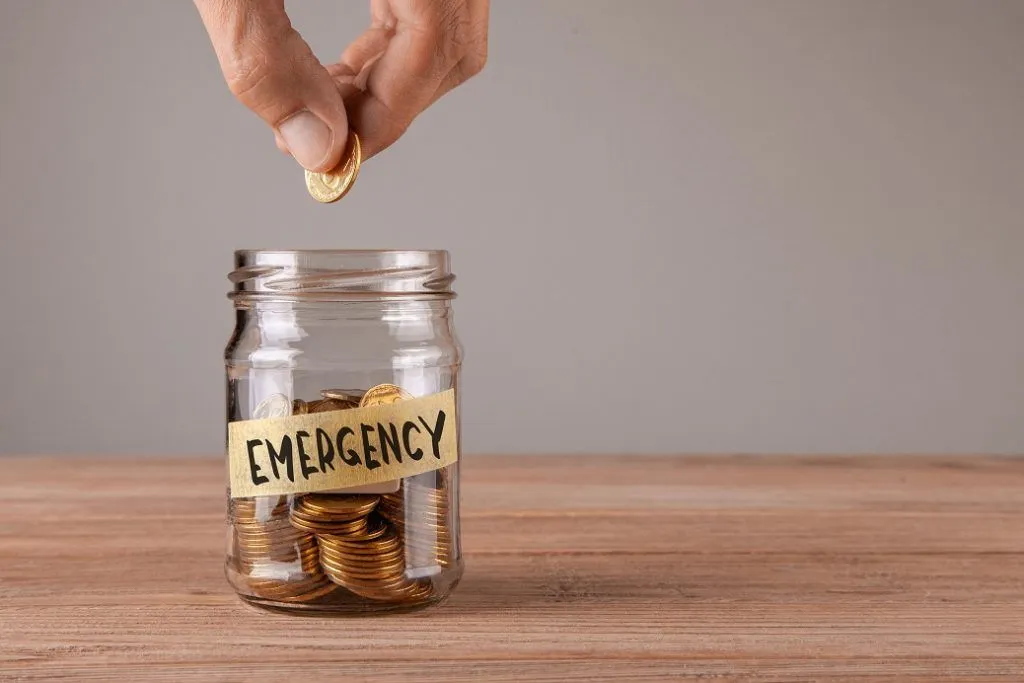
Emergency finances are an essential part of financial security, as they provide money you can rely on when unexpected situations arise, such as illness, high medical bills, or sudden home or car repairs.
When someone does not have an emergency fund, they may be forced to rely on credit cards or loans, which can take years to repay due to interest and additional costs. However, by setting aside even a small amount around 30 to 50 dollars per month into a personal emergency savings account, you can gradually build financial protection for the future. In this case, it is helpful to treat your emergency fund like a fixed monthly bill that must be paid regularly.
Yes, it is important to plan and allocate extra money for emergencies, as this plays a key role in your financial future. Ideally, an emergency fund should cover at least three months of living expenses.
What matters most is consistency. You should regularly save a fixed amount of money and only use it for real emergencies.
Unlike investments, the success of an emergency fund does not depend on high returns or interest, but rather on consistently setting money aside and keeping it accessible when needed.
Regardless of financial status, the first step in building an emergency fund is understanding where your income is currently going. Once you identify your spending habits, it becomes easier to decide where you can reduce expenses.
In simple terms, budgeting means organizing your income for both planned and unexpected expenses. This is where setting a savings goal becomes important your emergency fund should be one of those main goals.
The money saved from budgeting can go toward your savings, your emergency fund, or both. For example, you may choose to split it by putting half into savings and the other half into your emergency fund. This way, you build financial stability while also working toward your future goals.
